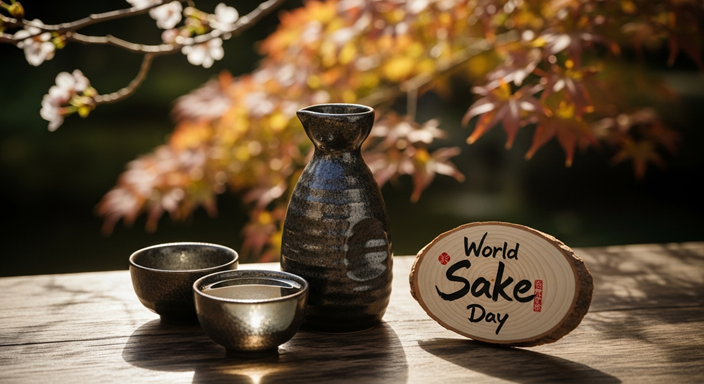
Every year on October 1st, people in #Japan and across the #globe raise a #glass to honor World Sake Day, a celebration that beautifully bridges #culture, #tradition, and #community. Known locally as #NihonshuNoHi, this special day highlights the deep #history and #artistry behind Japan’s iconic #RiceWine. More than just a beverage, sake carries centuries of #heritage, embodying #craftsmanship, #agricultural dedication, and cultural symbolism. From breweries to local #taverns, from international restaurants to homes, #sake enthusiasts toast together, cherishing this ancient drink. This October, let’s explore the essence of this day and embrace the joy of #WorldSakeDay.
History of World Sake Day
World Sake Day traces its roots back to 1978 when the Japan Sake Brewers Association officially designated October 1st as the day to celebrate sake. The choice of this date was not arbitrary—it marks the beginning of the sake-brewing season in Japan, aligning with the agricultural calendar when rice harvests are fresh and ready. Historically, sake brewing was closely tied to Japan’s agricultural cycle and Shinto rituals.
For centuries, sake was considered more than just an alcoholic drink—it was a sacred offering to deities and a drink of connection during festivals, weddings, and communal gatherings. By creating World Sake Day, the association sought to promote not only the cultural legacy of sake but also to give recognition to the skilled artisans who keep this ancient tradition alive. Over time, what began in Japan has spread globally, with sake enthusiasts across the world raising a toast every October 1st.
Importance of World Sake Day
World Sake Day holds importance far beyond the simple act of drinking. It reminds us of the centuries-old craftsmanship that goes into brewing sake—a process combining rice, water, yeast, and koji mold into a refined beverage. The day is also about preserving cultural heritage and honoring farmers, brewers, and artisans who dedicate their lives to maintaining sake’s authenticity.
Additionally, World Sake Day plays a role in strengthening international appreciation of Japanese culture. In a world where globalization often blurs traditions, such a celebration ensures that the significance of sake is not lost. It is also an economic booster for breweries, restaurants, and tourism, as many people engage in events, tastings, and cultural festivals.
Significance of World Sake Day
The significance of World Sake Day lies in its ability to connect people through shared experiences. Sake has long symbolized unity, purity, and respect in Japanese society. By celebrating it on a global scale, the day acts as a cultural ambassador, introducing the world to a taste of Japan’s tradition.
For Japan, sake is more than a beverage—it’s intertwined with religion, art, cuisine, and lifestyle. Globally, it offers a bridge between cultures, as sake finds its way onto international dining tables. Its versatility in pairing with both Japanese and international cuisines also highlights how traditions evolve and remain relevant in the modern world.
Why It Is Celebrated
World Sake Day is celebrated to honor the cultural and historical importance of sake. It marks the start of the traditional brewing season, making it a symbolic time for new beginnings. The day is also about raising awareness of sake as an art form, encouraging appreciation of its diverse flavors, and promoting sake’s role in global culinary culture.
Another reason for celebration is community—sake is often enjoyed in groups, symbolizing friendship and connection. By dedicating a day to this iconic beverage, people worldwide get an opportunity to not only enjoy sake but also to learn about the Japanese traditions and values it represents.
How It Is Celebrated
The celebration of World Sake Day varies from region to region, but the essence remains the same: honoring the tradition of sake and enjoying it in good company.
-
In Japan, breweries open their doors for tours, offering visitors a chance to learn about sake-making. Tastings are organized where guests can try different types of sake—junmai, ginjo, daiginjo, and more. Restaurants also craft special menus pairing sake with seasonal dishes.
-
Globally, Japanese embassies, cultural centers, and restaurants host events, sake tasting sessions, and workshops on how to appreciate the drink properly.
-
Many people celebrate at home by purchasing premium sake and enjoying it with family and friends.
-
Online events and live-streamed tastings have become popular in recent years, allowing people to join the celebration from anywhere in the world.
Countries and Regions Where It Is Celebrated
While Japan is at the heart of World Sake Day, the celebration has crossed borders.
-
United States: Cities like New York, Los Angeles, and San Francisco host sake festivals and restaurant specials.
-
Europe: In countries like the UK, France, and Germany, sake tastings and cultural programs are organized.
-
Asia-Pacific: Beyond Japan, countries such as Singapore, South Korea, and Australia celebrate the day with brewery events and sake pairings.
-
Global Influence: With the rising popularity of Japanese cuisine worldwide, sake is now enjoyed in many countries, making World Sake Day a global celebration of culture and flavor.
How Citizens Involve Themselves in the Celebration and Make It a Success
Citizens play an essential role in making World Sake Day vibrant and meaningful. They do this by:
-
Participating in Tastings – Joining local or international tasting events to explore different types of sake.
-
Learning the Craft – Engaging in workshops or brewery tours to understand the history and science behind sake-making.
-
Sharing on Social Media – Posting pictures, thoughts, and experiences using hashtags like #WorldSakeDay to spread awareness.
-
Supporting Local Breweries – Purchasing from small-scale or regional breweries to keep traditions alive.
-
Hosting Gatherings – Inviting friends and family to celebrate together, pairing sake with traditional meals.
-
Cultural Exchange – Attending events organized by Japanese embassies, cultural centers, or restaurants to learn more about the heritage associated with sake.
Theme for World Sake Day 2025
The proposed Theme for World Sake Day 2025 is:
“Sake: Bridging Heritage and Horizons”.
This theme emphasizes both the preservation of Japan’s traditional brewing techniques and the global expansion of sake culture. It reflects how sake acts as a cultural bridge, connecting generations within Japan and linking Japan with the world.
10 Famous Quotes for World Sake Day
-
“Sake is more than a drink—it’s a taste of Japan’s soul.”
-
“To sip sake is to sip centuries of tradition.”
-
“In every drop of sake lies a story of farmers, brewers, and culture.”
-
“Sake is not about intoxication, it’s about connection.”
-
“Raise a glass of sake, and raise a toast to heritage.”
-
“Sake unites people the way words sometimes cannot.”
-
“The art of sake brewing is the poetry of rice and water.”
-
“Sake is Japan’s gift of warmth, friendship, and flavor to the world.”
-
“Each cup of sake is a bridge between the past and the present.”
-
“To celebrate World Sake Day is to honor craftsmanship, culture, and community.”
FAQs About World Sake Day
Q1. When is World Sake Day celebrated?
A1. World Sake Day is celebrated annually on October 1st.
Q2. Who started World Sake Day?
A2. It was initiated by the Japan Sake Brewers Association in 1978.
Q3. Why is October 1st chosen as World Sake Day?
A3. Because it marks the beginning of the traditional sake-brewing season in Japan.
Q4. Is sake only consumed in Japan?
A4. No, sake is enjoyed worldwide, with growing popularity in the U.S., Europe, and Asia-Pacific countries.
Q5. What are the main ingredients of sake?
A5. Sake is brewed from rice, water, yeast, and koji mold.
Q6. How do people celebrate World Sake Day?
A6. Through tastings, brewery tours, cultural events, restaurant pairings, and social gatherings.
Q7. Is sake always consumed warm?
A7. No, sake can be enjoyed warm, room temperature, or chilled depending on the type.
Q8. What does sake symbolize in Japanese culture?
A8. It symbolizes purity, unity, and respect, often used in rituals and celebrations.
Q9. Can non-alcoholic versions of sake be part of the celebration?
A9. Yes, some breweries and restaurants offer low or non-alcoholic sake to include everyone in the celebration.
Q10. What is the theme of World Sake Day 2025?
A10. “Sake: Bridging Heritage and Horizons.”
Conclusion
World Sake Day is not just a date on the calendar; it is a heartfelt celebration of tradition, craftsmanship, and unity. From its beginnings in 1978 to its present-day global recognition, the day represents more than the appreciation of a drink—it is about culture, history, and human connection. As we raise our glasses on October 1st, we honor the farmers who cultivate rice, the brewers who perfect the art, and the communities who cherish the drink. World Sake Day 2025 reminds us that in every sip lies a bridge—between past and present, Japan and the world, and people everywhere.
|
!!! Stay Updated !!! 👉 Follow and Join us on 👈 📰 Trending News | 📢 Important Alerts | 💼 Latest Jobs LinkedIn | Threads | Facebook |Instagram | Tumblr 📱 Follow us daily & never miss an update 📱 |

My name is Subhajit Bhattacharya , I am a Instrumentatin Engineer and working as a content writer for this site, All the information of this site is only for educational purpose.
Discover more from Today's Significance
Subscribe to get the latest posts sent to your email.